I Teach the Cutest Pumpkin in the Patch: A Practical Guide to This Whimsical Embroidery Design
In the world of seasonal machine embroidery, finding a design that balances cuteness with technical reliability can be challenging. The I Teach the Cutest Pumpkin in the Patch design has emerged as a popular choice for crafters looking to add a touch of charm to their autumn projects. Unlike generic pumpkin motifs found in standard software libraries, this specific design offers a unique narrative element combined with a playful aesthetic. For adults aged 20 to 50 who are evaluating digital assets for personal or small business use, understanding the nuances of this design is essential before committing to a purchase.
This guide explores what makes I Teach the Cutest Pumpkin in the Patch distinct, how it compares to other styles in the market, and when it serves as the best tool for your creative needs. By examining its file formats, stitch density, and application versatility, you can make an informed decision about whether this resource fits your current workflow.
Defining the Design: What Makes It Distinct?
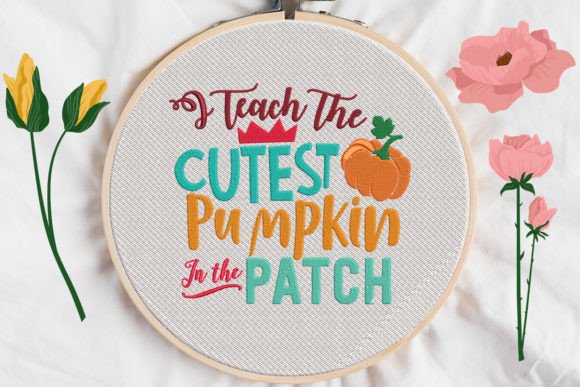
The core appeal of I Teach the Cutest Pumpkin in the Patch lies in its character-driven approach. While many fall-themed designs focus solely on botanical accuracy or traditional jack-o'-lanterns, this design personifies the pumpkin with a teacher persona. The inclusion of text and a specific character pose creates a focal point that stands out on various substrates. This distinction is crucial for users seeking designs that convey a story rather than just a seasonal symbol.
Technically, the design is engineered to maintain clarity across different hoop sizes. The stitch count is optimized to prevent excessive thread usage while ensuring the details of the "teacher" elements remain legible. This balance is often missing in free downloads, where high detail frequently leads to thread breaks or puckering on lighter fabrics. The design's construction prioritizes stability, making it suitable for both rigid home decor items and flexible apparel.
Furthermore, the whimsical nature of the artwork allows for significant color customization. Unlike designs with fixed color palettes, I Teach the Cutest Pumpkin in the Patch encourages experimentation. Crafters can swap traditional orange for pastels, metallics, or even monochrome schemes to match specific brand identities or interior design themes. This flexibility adds value beyond the initial download, extending the utility of the file throughout the year.
Comparing Formats and Machine Compatibility
One of the primary factors in choosing a digital embroidery asset is compatibility. A common pain point for hobbyists and professionals alike is purchasing a design only to find it incompatible with their specific machine model. I Teach the Cutest Pumpkin in the Patch addresses this by providing multiple embroidery file formats. This multi-format approach ensures that the design works seamlessly with major brands such as Brother, Bernina, Janome, Singer, and Pfaff.
When comparing this to single-format alternatives, the advantage becomes clear. Single-format files often require third-party conversion software, which can introduce errors in stitch sequencing or letter spacing. By offering native formats directly, this design reduces the technical barrier to entry. Users can import the file directly into their machine's interface without needing additional hardware or software subscriptions.
However, it is important to note that while the formats are versatile, the user must still verify the maximum hoop size supported by their specific machine. Although the design is scalable, pushing the limits of a machine's physical constraints can compromise the final result. Therefore, checking the dimensions against your machine's capabilities remains a necessary step in the evaluation process.
Evaluating Stitch Density and Fabric Suitability
Stitch density plays a critical role in the longevity and appearance of an embroidered project. High-density designs look impressive but can cause fabric distortion, particularly on stretchy materials like t-shirts. Conversely, low-density designs may lack definition. I Teach the Cutest Pumpkin in the Patch strikes a middle ground, utilizing a moderate density that preserves fabric integrity while delivering crisp lines.
For those considering alternatives, it is worth noting that some heavy-duty commercial designs prioritize coverage over breathability. If your goal is to create comfortable t-shirts for a school event or a family gathering, the moderate density of this pumpkin design is preferable. It allows the fabric to breathe and move naturally, reducing the risk of cracking or peeling after washing.
On the other hand, if you are working with thick towels or heavy canvas for home decor, the design's structure holds up well without requiring excessive stabilizer layers. This adaptability makes it a strong contender for mixed-media projects where a single design needs to perform across different textures.
Best-Fit Situations and Application Scenarios
Understanding when to use I Teach the Cutest Pumpkin in the Patch requires analyzing the intended audience and the end product. This design is particularly effective for educational settings, teacher appreciation gifts, and back-to-school merchandise. The "I Teach" motif resonates strongly within these communities, offering a personalized touch that generic designs cannot replicate.
Apparel Customization: On t-shirts, hoodies, and tote bags, the design serves as a statement piece. Its whimsical style appeals to children and adults alike, making it ideal for family matching sets or classroom spirit wear. The moderate stitch count ensures that the garment remains wearable and comfortable, avoiding the stiff feeling associated with large, dense embroidery.
Home Decor Accents: For home decor, the design translates beautifully onto throw pillows, table runners, and kitchen towels. The playful aesthetic adds a lighthearted element to autumnal decorating schemes. Unlike more serious or rustic pumpkin designs, this option brings a sense of fun and creativity to the space, appealing to households with a modern or eclectic style.
Small Business Ventures: Entrepreneurs selling handmade goods will find this design valuable due to its broad appeal. It fills a niche between professional corporate branding and casual holiday crafts. The ability to produce high-quality results quickly allows for efficient production runs during peak seasonal demand.
Tradeoffs and Limitations to Consider
While I Teach the Cutest Pumpkin in the Patch offers numerous benefits, it is not the perfect solution for every scenario. One limitation is the thematic specificity. Because the design explicitly references teaching, it may not be suitable for general Halloween parties or non-educational events where a broader appeal is needed. In such cases, a neutral pumpkin design might be a more versatile alternative.
Additionally, while the design supports multiple formats, users with very old or obscure machine models may still encounter compatibility issues. It is always advisable to test a sample run on scrap fabric before committing to expensive materials. This practice helps identify any potential tension issues or alignment problems specific to your equipment.
Another consideration is the complexity of the text element. While the text is rendered clearly in the design, resizing it too small can lead to legibility issues. If you plan to apply this design to very small items, such as keychains or hair accessories, you may need to evaluate whether the text remains readable at that scale. In some instances, removing the text and focusing solely on the pumpkin graphic might yield better results for miniature applications.
Making the Decision: Is This Design Right for You?
Deciding whether to invest in I Teach the Cutest Pumpkin in the Patch ultimately depends on your specific goals and resources. If you are looking for a design that combines technical reliability with a charming, narrative-driven aesthetic, this option stands out as a strong candidate. Its multi-format support and balanced stitch density make it accessible to a wide range of users, from hobbyists to small business owners.
However, if your project requires a strictly traditional or rustic look, or if you need a design that can be scaled down to extremely small dimensions without losing detail, you might explore other alternatives. Evaluating your fabric choices, machine capabilities, and target audience will help clarify whether this design aligns with your vision.
By weighing the strengths of its versatility against the limitations of its thematic focus, you can determine the best path forward. Whether you are stitching a gift for a favorite teacher or launching a line of seasonal home goods, understanding the nuances of this embroidery design ensures that your final product meets your expectations for quality and charm.