Coffee, Teach, Repeat: A Practical Guide to the Embroidery Design
In the world of machine embroidery, designs often serve as more than just decorative elements; they act as visual statements that communicate identity, profession, and personality. The Coffee, Teach, Repeat design has emerged as a popular choice for educators and coffee enthusiasts alike. This article provides an objective evaluation of the design, exploring its features, applications, and suitability for various embroidery projects to help you determine if it aligns with your creative goals.
Understanding the Coffee, Teach, Repeat Design
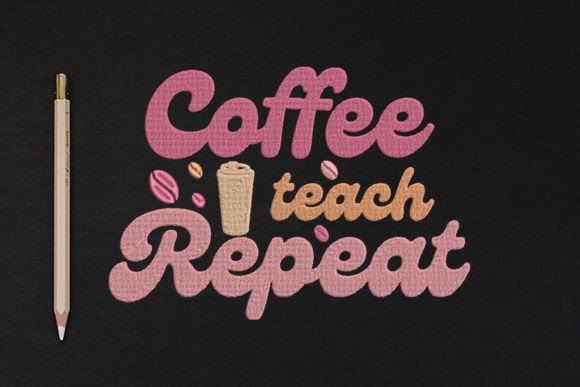
The Coffee, Teach, Repeat concept is rooted in the daily rhythm of many educators who rely on caffeine to sustain their energy through long days of instruction. As a machine embroidery design, it typically features stylized typography paired with illustrative elements such as coffee cups, steam swirls, or books. The phrase itself captures a cycle of preparation, action, and renewal that resonates deeply within the teaching community.
This specific digital pattern is engineered for use with computerized embroidery machines. Unlike manual stitching, which requires significant time and precision, this design allows users to digitize the process. Once loaded into a machine, the software guides the needle to create the intricate details of the text and imagery automatically. The design usually comes packaged with multiple file formats, ensuring compatibility with a wide range of embroidery brands and models.
Why Consider This Design for Your Projects?
Interest in the Coffee, Teach, Repeat motif stems from its versatility and emotional resonance. For teachers, it serves as a badge of honor, celebrating the dedication required in the profession. For gift-givers, it offers a personalized touch that feels thoughtful rather than generic. Beyond the sentiment, the design's structure makes it technically appealing for several reasons:
- Broad Appeal: The combination of coffee culture and education creates a niche that is large enough to be relevant but specific enough to feel personal.
- Visual Clarity: The text-based nature of the design ensures legibility even at smaller sizes, making it suitable for items like tote bags or small patches.
- Customization Potential: Because the design often separates text from graphics, users can sometimes adjust colors or spacing to match specific school colors or brand palettes.
Furthermore, the availability of multiple file formats removes a common barrier to entry in machine embroidery. Users are not forced to purchase expensive conversion software; instead, they can select the format that matches their specific machine requirements immediately.
Benefits and Tradeoffs of Machine Embroidery Designs
When evaluating whether to use the Coffee, Teach, Repeat design, it is essential to weigh the benefits against potential tradeoffs. The primary advantage lies in efficiency. Digitized patterns allow for consistent replication, meaning every stitch is identical to the last. This consistency is crucial for those producing items for resale or creating matching sets for colleagues.
However, there are considerations regarding fabric selection and machine capability. While the design is versatile, it may not perform equally well on all materials. Thick fabrics like heavy denim or upholstery cloth might require stabilizers and specific hoop tension settings to prevent puckering. Conversely, very delicate fabrics like silk or thin jersey may stretch under the pressure of the needle, distorting the text.
Another tradeoff involves the complexity of the design versus the machine's capabilities. Some older or basic embroidery machines have limited memory or hoop sizes. If the Coffee, Teach, Repeat design is larger than the available hoop area, the user may need to split the design into sections, which can introduce visible seams in the final product. It is important to check the dimensions of the design against the maximum field size of your equipment before purchasing.
Ideal Applications and Situations
The Coffee, Teach, Repeat design is a strong fit for several specific scenarios. It excels when applied to cotton-rich fabrics where the texture of the stitches adds depth without compromising comfort. Common and effective applications include:
- Apparel: T-shirts, hoodies, and aprons are classic choices. Placing the design on the left chest pocket area or the center back of a hoodie provides a balanced look.
- Home Decor: Kitchen towels, throw pillows, and table runners benefit from the whimsical nature of the design, adding a touch of charm to functional spaces.
- Accessories: Tote bags and canvas pouches offer a sturdy surface that holds up well to repeated washing, making them ideal for everyday use by teachers.
This design is particularly well-suited for end-of-year gifts, teacher appreciation events, or classroom party favors. In these contexts, the ability to produce high-quality, professional-looking results quickly is a significant asset. The design also works well for small business owners looking to expand their product lines with educator-themed merchandise.
When Alternatives Might Be Worth Considering
While the Coffee, Teach, Repeat design is robust, it may not be the optimal choice for every project. If your goal is to create a highly intricate, multi-layered piece of art, a simple text-and-icon design might feel too minimal. In such cases, exploring more complex scenic designs or custom illustrations might better suit your aesthetic vision.
Additionally, consider the longevity of the trend. While "teacher life" is a perennial theme, specific phrasing can sometimes date quickly. If you are investing in inventory for a retail business, it may be worth comparing this design against timeless motifs that do not rely on current catchphrases. For personal projects intended to last decades, a more subtle representation of the teaching profession might be preferable.
Cost is another factor. If you are working with a strict budget and do not own an embroidery machine, the cost of purchasing the design, thread, stabilizers, and fabric may outweigh the benefits compared to screen printing or heat transfer vinyl (HTV) methods. HTV, for instance, offers a flat finish that some prefer over the raised texture of embroidery, though it lacks the same tactile quality.
Practical Decision-Making Insights
To determine if the Coffee, Teach, Repeat design aligns with your needs, follow these practical steps:
- Check File Compatibility: Ensure the included file formats (such as .PES, .DST, .JEF, or .VIP) match your machine's supported list. Most modern machines support standard formats, but verifying this prevents wasted purchases.
- Test on Scrap Fabric: Before committing to a finished garment, run the design on a scrap piece of the same fabric you intend to use. This helps identify any issues with thread tension, density, or hooping.
- Evaluate Thread Count: Review the stitch count provided with the design. Higher stitch counts generally mean more detail but longer run times. Balance the desired detail level with your available production time.
- Consider Color Schemes: Think about how the design will look in different thread colors. While black or brown works well for coffee themes, using school colors can make the item more unique and meaningful.
Ultimately, the decision to use this design should hinge on your specific project requirements and technical setup. By understanding the strengths and limitations of the Coffee, Teach, Repeat pattern, you can make an informed choice that results in a high-quality, charming addition to your wardrobe or home decor.