Hello Kindergarten: A Whimsical Embroidery Design for Every Maker
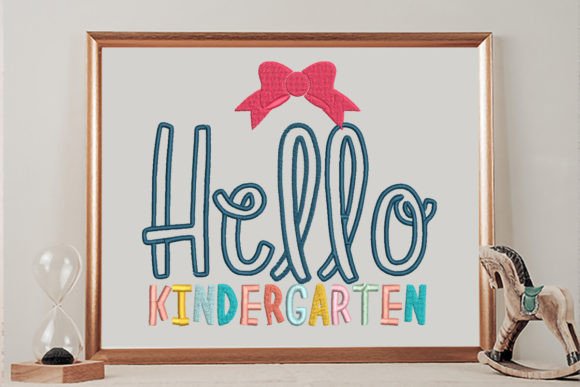
There is a unique joy in transforming a plain piece of fabric into something that tells a story. When you stitch the words "Hello Kindergarten" onto a t-shirt, a towel, or a cozy throw pillow, you are not just adding text; you are capturing a moment of excitement and new beginnings. This specific embroidery design brings a playful charm to any project, making it perfect for back-to-school gifts, classroom decorations, or simply brightening up your home decor. However, like many digital downloads, the difference between a stunning finished product and a frustrating mess often lies in the details before the needle even starts moving.
Understanding the Versatility of the Design
The Hello Kindergarten machine embroidery design is crafted to be adaptable. It features a whimsical font style that balances readability with fun, making it suitable for various audiences from young children to nostalgic adults. Whether you are a small business owner looking to create custom merchandise for a local school fundraiser, a blogger showcasing DIY projects, or a parent preparing a special welcome gift, this pattern offers a versatile starting point. The design comes in multiple file formats, ensuring compatibility with a wide range of embroidery machines, from entry-level hobbyists' models to professional industrial units.
Many creators assume that because a design is labeled as "machine embroidery," it will automatically look good on any surface. This is a common misunderstanding that can lead to wasted thread, damaged stabilizers, and frustrated makers. The charm of the Hello Kindergarten design relies heavily on proper application. If you apply a dense, multi-color design meant for a stiff tote bag directly onto a thin cotton t-shirt without adjusting your settings, the result will likely be puckered, distorted, or difficult to wear comfortably.
Common Pitfalls When Downloading and Preparing Files
One of the first areas where mistakes happen is during the download and file management phase. Beginners often rush to download the largest file size available, assuming bigger means better. In reality, embroidery files come in different formats such as .PES, .DST, .JEF, and .EXP, each tailored to specific machine brands. Using the wrong format can cause your machine to reject the file entirely or, worse, misinterpret the stitch data, leading to erratic stitching patterns.
Before you begin, always verify which file format your specific embroidery machine requires. If you have a Brother machine, you likely need a .PES file; if you use a Janome, you might need a .JEF. Even though many modern designs include a bundle of formats, double-checking ensures you are loading the correct version. Additionally, some users overlook the importance of updating their machine's firmware or software drivers. An outdated system might struggle to read newer, more complex design files, causing errors that could have been easily avoided with a simple update.
Stabilizer Choices and Fabric Compatibility
The most critical factor in achieving a professional finish with the Hello Kindergarten design is the choice of stabilizer. A frequent error among hobbyists is using too little stabilizer or choosing the wrong type for the fabric at hand. For example, placing this design on a soft, stretchy knit fabric like a jersey t-shirt requires a cut-away stabilizer to support the stitches and prevent them from distorting when the fabric stretches. Using a tear-away stabilizer on a stretchy material often results in the design cracking or rippling after the first wash.
Conversely, applying a heavy cut-away stabilizer to a delicate linen napkin or a lightweight home decor item can make the final product feel stiff and uncomfortable. The goal is to provide enough support so the fabric doesn't pucker under the tension of the needle, but not so much that it ruins the drape of the material. Always test your combination of fabric, thread, and stabilizer on a scrap piece before committing to your final project. This simple step can save you hours of frustration and costly materials.
Hoop Size and Placement Strategy
Another overlooked detail is the hoop size. The Hello Kindergarten design has specific dimensions, and forcing it into a hoop that is too small will compress the stitches, ruining the spacing and legibility of the text. Conversely, hooping a large area of fabric unnecessarily can introduce wrinkles that translate into uneven stitching. Measure the design dimensions provided in the product description and select a hoop that offers a comfortable margin around the design—usually about half an inch to an inch on all sides.
Placement is equally important. When embroidering on items like towels or pillows, centering the design is key to maintaining balance. On t-shirts, the placement affects the overall aesthetic and comfort. Placing the design too low can cause it to sag over time, while placing it too high might irritate the wearer's neck. Use water-soluble marking pens or chalk to lightly sketch the placement area before hooping. This ensures precision and prevents the need to re-hoop or re-stitch due to alignment errors.
Thread Selection and Tension Adjustments
To truly bring out the whimsical nature of the Hello Kindergarten design, thread selection matters. While polyester thread is durable and vibrant, it can sometimes be too shiny for certain rustic or vintage-style home decor projects. Cotton thread offers a softer, matte finish that blends beautifully with natural fibers like linen or cotton canvas. However, cotton thread may require slightly different tension settings compared to polyester. Ignoring these nuances can result in loops on the underside of the fabric or broken threads during the stitching process.
Tension is the silent killer of embroidery quality. If your stitches look tight and the fabric is puckering, your top tension is likely too high. If you see loose loops on the bottom side, the tension is too low. Before starting the full run, perform a tension test on a scrap piece of the same fabric you intend to use. Adjust your machine's tension dial incrementally until the stitches lock perfectly in the middle of the fabric layers. This attention to detail ensures that the final product looks crisp and professional, whether it is a personalized gift or a product for sale.
Evaluating Value and Long-Term Usability
When deciding to purchase or use the Hello Kindergarten design, consider the long-term value beyond the initial cost. A design that includes multiple file formats and clear instructions provides better value than one that is restrictive. Look for sellers who offer previews of the stitch count and dimensions, as this information helps you plan your projects efficiently. High-quality designs often come with a preview image that shows how the design looks when stitched, allowing you to gauge the density and complexity before downloading.
Furthermore, consider the scalability of the design. Some patterns do not scale well; enlarging them can distort the letters, while shrinking them can cause stitches to overlap and jam the needle. The Hello Kindergarten design is generally optimized for standard sizes, but if you need to resize it, do so carefully within your embroidery software. Avoid scaling by more than 10% in either direction to maintain the integrity of the lettering and the decorative elements.
By paying attention to file formats, stabilizer choices, hoop sizing, and thread tension, you ensure that your embroidery projects stand out for the right reasons. The Hello Kindergarten design is a wonderful tool for adding personality to your creations, but its success depends on your preparation. With the right approach, you can create lasting, beautiful pieces that celebrate the joy of learning and the warmth of home, free from the common pitfalls that plague inexperienced stitchers.