Realistic Jumbo Pencil: A Whimsical Embroidery Design for Every Fabric
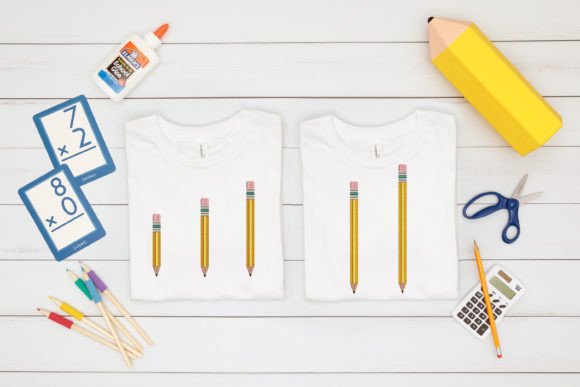
There is something undeniably charming about oversized stationery. It taps into a sense of nostalgia and playfulness that instantly brightens a room or a wardrobe. The Realistic Jumbo Pencil machine embroidery design captures this exact feeling, transforming simple threads into a vibrant, three-dimensional object that looks almost too good to be true. Whether you are looking to add a unique touch to a teacher's tote bag, create a fun accent on a child's t-shirt, or simply spice up your home decor with a whimsical towel, this design offers a creative solution that stands out from the crowd.
However, bringing such a detailed and large-scale design to life requires more than just hitting the "start" button on your embroidery machine. Many crafters, from enthusiastic beginners to seasoned professionals, often overlook critical details when working with realistic, large-format designs. These oversights can lead to wasted stabilizer, puckered fabric, or a final product that lacks the crisp definition needed to make the pencil look truly jumbo and lifelike. Understanding how to approach this specific design ensures your project succeeds without unnecessary frustration.
Understanding the Scale and Detail of Realistic Designs
The appeal of the Realistic Jumbo Pencil lies in its intricate shading and perspective. Unlike flat, single-color logos, this design utilizes multiple layers of thread to create depth, shadows, and highlights that mimic the texture of wood, metal, and rubber. This complexity is what makes it special, but it also introduces specific challenges. A common mistake is treating this design like a standard monogram or small appliqué. When you underestimate the size and stitch count, you risk choosing the wrong hoop size or insufficient stabilizer, leading to registration issues where the colors do not align perfectly.
Another frequent misunderstanding involves the choice of fabric. Because the design is large and heavy with stitches, lightweight fabrics like thin cotton jersey or silk can easily distort under the tension of the needle. If the fabric stretches or shifts during the stitching process, the "realistic" effect is lost, replaced by a wavy, distorted image that ruins the illusion of a solid object. To avoid this, it is essential to match the weight of your fabric to the density of the design. For the Realistic Jumbo Pencil, medium to heavy-weight fabrics like canvas, denim, or thick terry cloth for towels work best. If you must use a lighter material, a cut-away stabilizer is non-negotiable to provide the necessary support throughout the stitching cycle.
Common Pitfalls in File Management and Machine Settings
Before you even load your thread, there are digital steps that require attention. One of the most overlooked aspects of buying and using embroidery files is verifying the format compatibility. While many sellers offer multiple file formats—such as .PES, .DST, .JEF, or .VIP—it is crucial to ensure your specific machine reads the chosen format correctly. Some older machines may struggle with high-density fill patterns if the file was designed for newer models with different motor capabilities. Always check your machine's manual regarding maximum stitch counts and density limits before purchasing or downloading the file.
Furthermore, the speed at which your machine stitches plays a significant role in the quality of a realistic design. Rushing through a complex design like the Jumbo Pencil can cause thread breakage, skipped stitches, or poor color blending. Slowing down your machine, especially during the transition between color changes or when stitching fine details like the eraser band, allows the needle to penetrate the fabric cleanly and the threads to lay flat. This patience pays off in a finished product that looks professional rather than rushed.
Strategic Placement and Hooping Techniques
Where you place the design is just as important as how you stitch it. The Realistic Jumbo Pencil is a statement piece, meaning it needs space to breathe. Placing it too close to a seam, hem, or pocket edge can result in awkward trimming or an unbalanced look. Instead, treat the design as the focal point of the garment or item. On a t-shirt, centering it slightly higher than the chest logo area often works well, while on a towel, positioning it near the corner or bottom edge creates a balanced aesthetic.
Hooping technique is another area where mistakes frequently occur. A loose hoop will cause the fabric to shift, ruining the alignment of the pencil's tip and body. Conversely, hooping too tightly can stretch the fabric, causing it to snap back once removed from the hoop, which distorts the shape of the design. The goal is a "drum-tight" surface that is secure but not stretched. Using spray adhesive stabilizer can help lock the fabric in place, preventing any movement during the long run required for a jumbo-sized design. Additionally, always trim the excess stabilizer carefully after stitching; leaving too much behind can leave a rough texture on the back of your fabric, while cutting too close might snag the stitches.
Evaluating Quality Before You Commit
When considering purchasing or using the Realistic Jumbo Pencil design, take a moment to evaluate the source and the sample images. High-quality digital previews should show clear stitching lines and distinct color separations. If the preview looks blurry or pixelated, the actual stitched result will likely suffer from similar issues. Look for reviews or test swatches from other users who have worked with the same file. Their experiences can reveal potential problems with thread breaks or density that aren't immediately obvious from a static image.
Also, consider the thread type. Standard polyester or rayon embroidery threads are excellent for capturing the sheen and color vibrancy needed for a realistic look. However, using cheap or low-quality thread can lead to lint buildup, dull colors, and frequent breaks, which interrupts the flow of the design and creates visible gaps in the shading. Investing in premium thread is a small cost that significantly elevates the final presentation of your project.
Maximizing Creativity and Versatility
Once you have navigated the technical aspects, the possibilities for the Realistic Jumbo Pencil become endless. It is not limited to school-themed items. Think about how this design could enhance corporate gifts for educational consultants, add a playful touch to nursery blankets, or serve as a unique patch for backpacks. The versatility of the design allows it to fit various themes, from "Back to School" events to creative workshops and art studio branding.
By avoiding common pitfalls related to fabric choice, stabilizer usage, and machine settings, you ensure that your embroidery projects maintain their integrity and charm. The key to success with the Realistic Jumbo Pencil is preparation and attention to detail. When executed correctly, this design does more than just decorate; it tells a story of creativity and adds a delightful, tangible element of fun to everyday items. With the right approach, you can transform simple fabrics into memorable keepsakes that stand the test of time and washing cycles alike.