Evaluating the Goodtime Font Embroidery Design
In the realm of machine embroidery, selecting the right typeface is often as critical as choosing the stitch pattern itself. The Goodtime Font Embroidery Design represents a specific category of digitized text intended to add personality and legibility to textile projects. For hobbyists and professionals alike, understanding the capabilities and limitations of this design set is essential for achieving high-quality results. This evaluation explores the features, applications, and practical considerations associated with using the Goodtime Font Embroidery Design in various creative contexts.
Understanding the Design Structure
The Goodtime Font Embroidery Design is a comprehensive collection of 212 individual letter characters, encompassing both uppercase and lowercase alphabets, numbers, and common symbols. Unlike standard system fonts found on computers, these are specifically digitized for embroidery machines. Each character is constructed with precise stitch paths designed to mimic the look of hand-stitched or block-style lettering, providing a distinct aesthetic that stands out on fabric.
A crucial aspect of evaluating this product involves understanding how its dimensions are presented. The technical specifications provided in product listings typically display the size and stitch count for the letters "A" and "a" at various scales. These metrics serve as a baseline summary. However, because every character in the alphabet has a unique width and density, relying solely on the "A" and "a" data can lead to miscalculations in hooping space or thread usage. To obtain accurate measurements for the entire set of 212 letters, users must consult the detailed dimension chart available via the More Sewing Info PDF link associated with the download. This step is vital for planning complex layouts where space is limited.
Key Benefits for Personalization Projects
The primary advantage of the Goodtime Font Embroidery Design lies in its versatility for personalization. It is engineered to handle names, dates, and short quotes effectively. The font style strikes a balance between decorative flair and readability, making it suitable for items where text clarity is paramount but a playful touch is desired.
- Broad Machine Compatibility: One of the most significant benefits is the inclusion of multiple file formats. Whether a user operates a Brother, Janome, Bernina, Singer, or Pfaff machine, the design package ensures compatibility across major brands. This eliminates the need for third-party conversion software, which can sometimes introduce errors into the stitch path.
- Fabric Versatility: The stitch structure of the Goodtime Font is robust enough to be used on a wide variety of substrates. From sturdy denim jackets to delicate cotton t-shirts, the design adapts well to different fabric tensions, provided the correct stabilizer is used.
- Customizable Sizing: Because the font is composed of individual characters, users have full control over scaling. This allows for small monograms on cufflinks or large, bold statements on tote bags without losing the integrity of the letter shapes.
Considerations and Tradeoffs
While the Goodtime Font Embroidery Design offers significant utility, there are tradeoffs to consider before integrating it into a workflow. As with any fill-heavy or stylized font, the stitch count increases proportionally with the size of the text. A long quote embroidered in a large size may result in excessive stitching time and higher thread consumption compared to a simpler outline font.
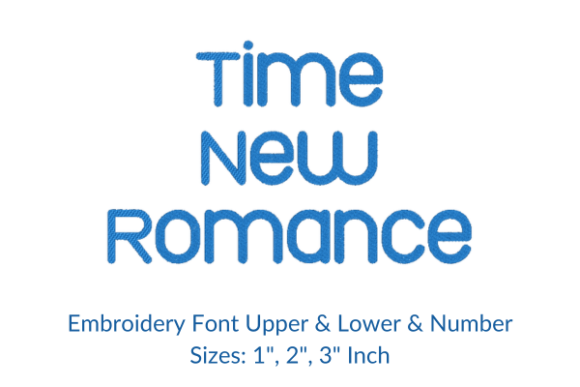
Another consideration is the nature of the font style itself. The Goodtime Font has a specific visual identity characterized by its rounded edges and friendly appearance. While this makes it excellent for children's clothing, party favors, or casual wear, it may not align with projects requiring a formal, serif, or ultra-modern aesthetic. Users seeking a corporate logo look or a vintage script might find this font too informal for their specific needs.
Furthermore, the reliance on the PDF for full dimension details requires an extra step in the planning process. If a user attempts to estimate hoop space based only on the summary data for "A" and "a," they risk running off the edge of the hoop with wider characters like "M" or "W." Careful review of the full specification sheet is necessary to avoid wasted material and time.
Ideal Applications and Scenarios
The Goodtime Font Embroidery Design is a strong fit for several specific scenarios. It excels in projects where the goal is to add a cheerful, approachable element to the finished product. Common use cases include:
- Kids' Apparel: The rounded, friendly nature of the font makes it ideal for name tags on school uniforms, personalized pajamas, or birthday shirts.
- Event Merchandise: For weddings, baby showers, or team events, this font works well for writing dates, slogans, or guest names on napkins, towels, and aprons.
- Casual Accessories: Tote bags, hats, and casual hooded sweatshirts benefit from the font's ability to stand out without appearing overly rigid.
In these situations, the font's ability to maintain legibility at smaller sizes while remaining visually engaging at larger scales provides a practical solution for designers who need a reliable go-to typeface for quick turnaround projects.
When to Consider Alternatives
Despite its strengths, there are situations where the Goodtime Font Embroidery Design may not be the optimal choice. If a project demands extreme precision on very small areas, such as a tiny patch on a collar, a font with fewer stitches and a simpler construction might perform better. Similarly, if the aesthetic requirement is strictly professional, minimalist, or elegant, the playful characteristics of the Goodtime Font could detract from the overall design intent.
Additionally, for users working with extremely unstable fabrics like fine silk or stretchy knits without heavy stabilization, a font with less dense fill areas might reduce the risk of puckering. In these cases, exploring outline fonts or single-line scripts could offer a more stable and aesthetically appropriate alternative.
Practical Decision-Making Insights
Deciding whether to incorporate the Goodtime Font Embroidery Design into your library should be based on a clear assessment of your typical project requirements. Ask yourself if you frequently need a legible, friendly font for personalization tasks. If the answer is yes, the multi-format support and comprehensive character set make it a valuable asset.
Before purchasing, it is advisable to download the More Sewing Info PDF to verify that the maximum and minimum sizes align with your specific machine's capabilities and your preferred hoop sizes. Understanding the stitch counts for the widest characters will help in accurately estimating production times and costs. By weighing the font's stylistic attributes against the specific needs of your target audience and fabric types, you can determine if this design set aligns with your goals.
Ultimately, the Goodtime Font Embroidery Design serves as a practical tool for adding customized text to a wide range of textiles. Its value lies in its reliability, compatibility, and distinct style, making it a solid option for those looking to enhance their embroidery projects with personalized touches.